Safety first
Leave and contact the appropriate emergency service for smoke, fire or a suspected gas or carbon-monoxide hazard.
Heating & cooling service guide
A useful repair call starts with the system type, symptoms and a clear diagnostic scope. Compare companies after confirming that they service your equipment—not from a generic “HVAC” label alone.
Leave and contact the appropriate emergency service for smoke, fire or a suspected gas or carbon-monoxide hazard.
Note sounds, odors, thermostat behavior, airflow, timing and any recent work or power interruption.
Ask what the visit includes and receive the repair scope and price before authorizing additional work.
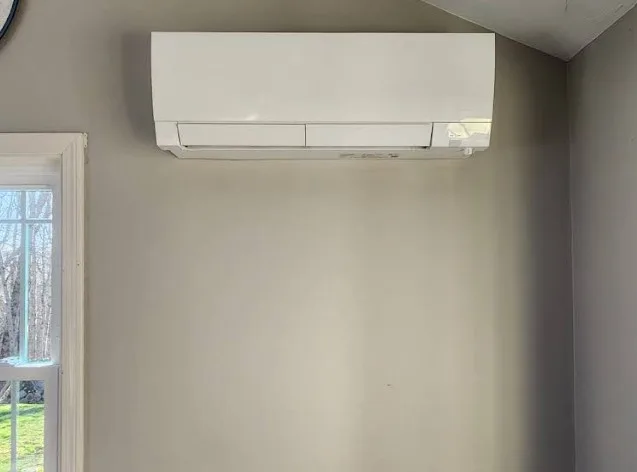
A furnace, boiler, central air conditioner, heat pump and ductless mini-split share some components but require different diagnostic paths. The model and serial information help a company prepare for the visit.
The initial visit may cover testing and fault isolation, while parts and repair labor are additional. Ask whether the diagnostic charge is applied to the repair and what happens if the part is unavailable.
Repeated failures, major components, obsolete parts and declining efficiency can justify comparing both paths. A single inexpensive failure on an otherwise serviceable system does not automatically justify replacement. Compare the full expected scope and operating context.
Build a shortlist
Examples from the reviewed directory, shown alphabetically—not ranked. Confirm the exact service directly.
 Website reviewed
 Website reviewed
 Website reviewed
Worcester, MA
Website data checked Nov 21, 2026
 Website reviewed
 Website reviewed
Service FAQ
Repeated resets can hide a fault and may be unsafe depending on the equipment. Record the error and ask the company for instructions for your specific system.
No. Confirm brand, fuel, system type and parts availability before scheduling.
Compare what is tested, whether a written finding is provided, repair warranty and how additional charges are approved.